- info@qvolt.ae
- Mon - Sat : 9am - 6pm

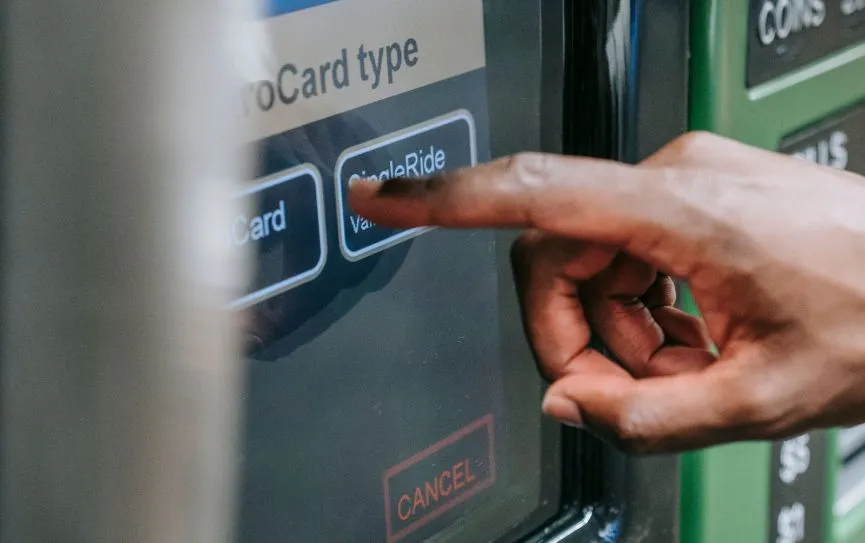
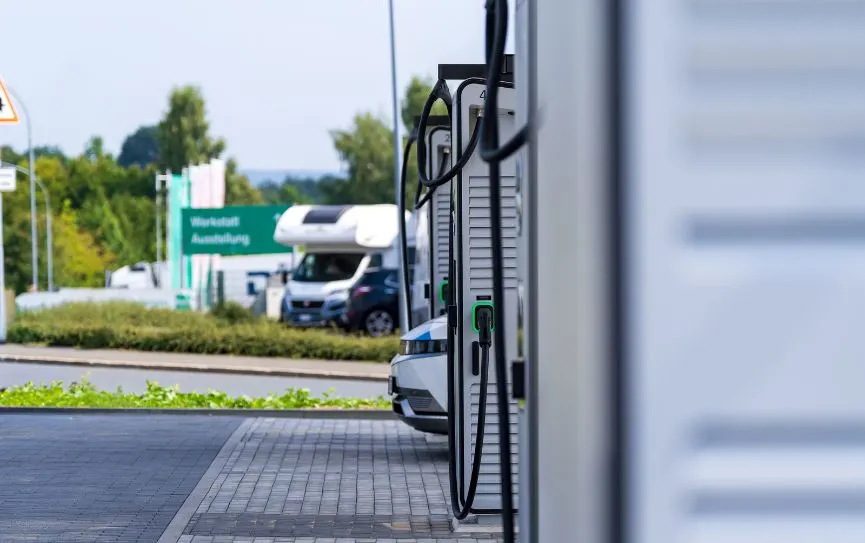
The rapid growth of electric vehicles across the UAE has brought a new challenge to the forefront: how drivers actually pay to charge their cars. As charging networks expand across Dubai and beyond, the technology behind the transaction — not just the electricity itself — is becoming a defining factor in how successful these networks are. This is where EV Payment Gateway Integration UAE solutions are playing an increasingly central role. For years, EV charging in the region relied on inconsistent payment methods, ranging from manual card readers to operator-specific apps that didn't always work smoothly. That model is now giving way to unified, API-driven payment systems. Full integration with platforms such as Stripe allows charging operators to process payments instantly, generate detailed transaction reports, and offer drivers a consistent experience regardless of which station they use.
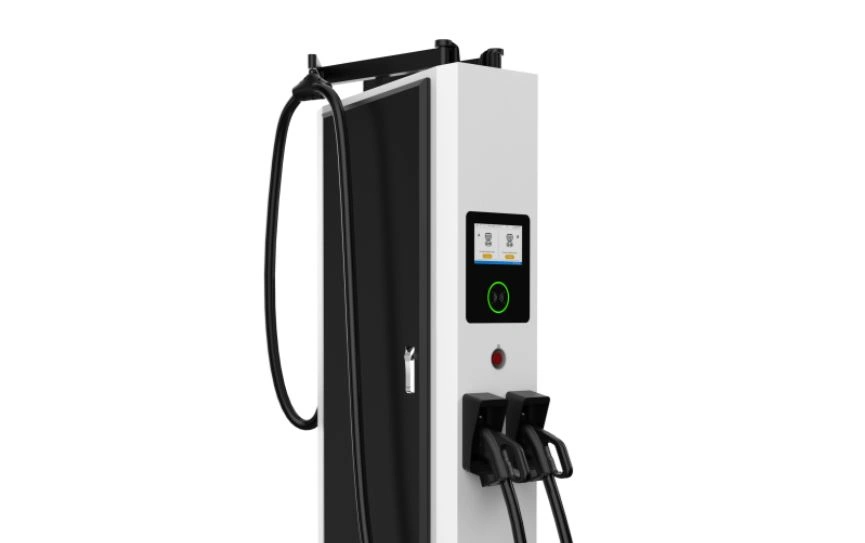
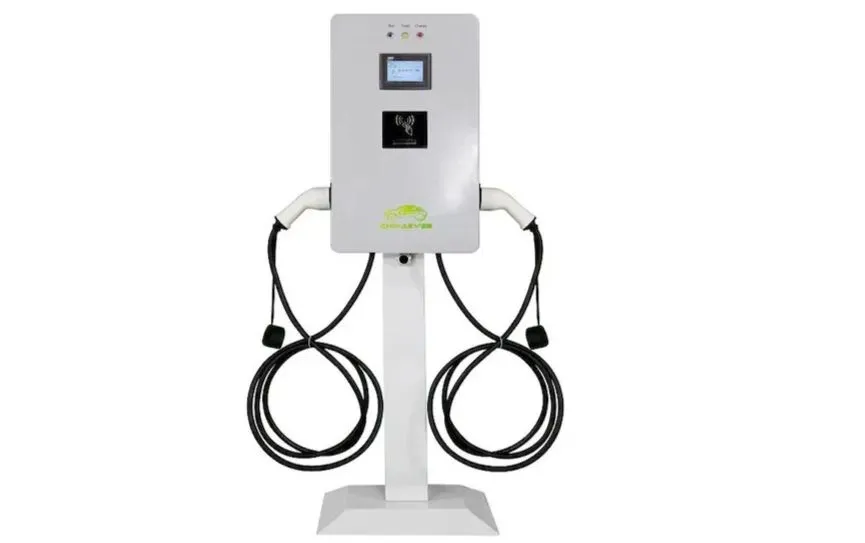
Effective EV Payment Gateway Integration UAE systems are typically built on core technical pillars: charging capacity support ranging from 60 kW to 160 kW, cross-compatibility with all major EV models and connector types, OCPP 1.6 and 2.0.1 protocol support, real-time remote monitoring, and multiple payment channels including RFID cards, mobile wallets, and in-app checkout. For drivers, this means less friction — payments processed in seconds without needing station-specific apps. For operators and fleet managers, integrated payment systems automate billing, reduce fraud exposure, and provide the financial transparency needed to scale across the UAE with confidence.

Switching to Qvolt's integrated payment system cut our billing reconciliation time significantly. Our drivers can now charge and pay in seconds, and the reporting dashboard gives us full visibility across every station in our network.