- info@qvolt.ae
- Mon - Sat : 9am - 6pm

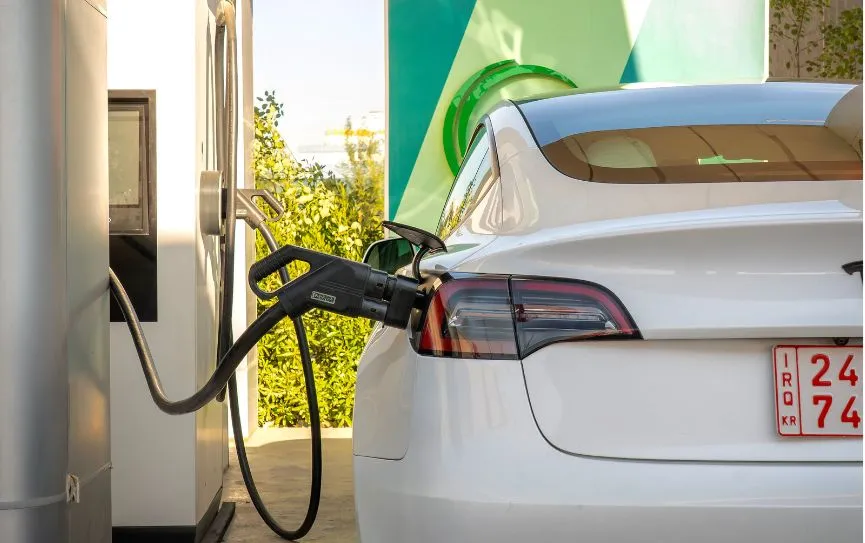
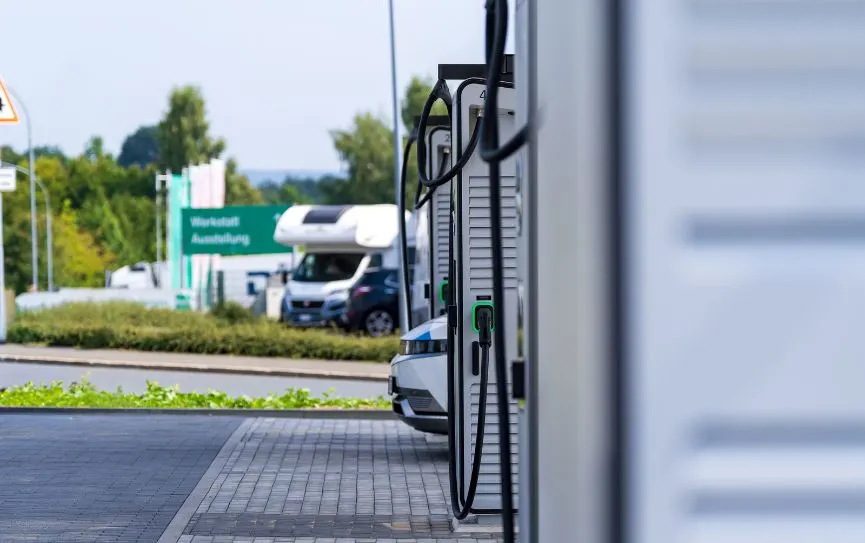
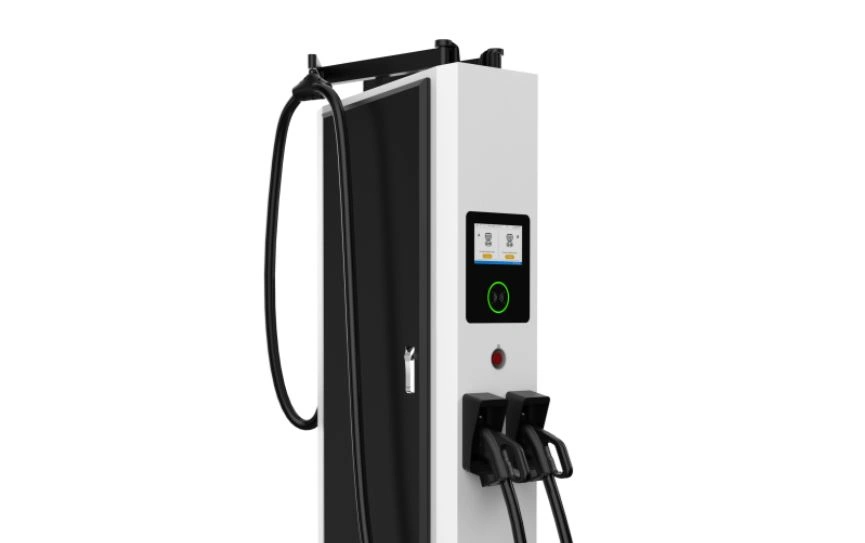
The roads of Dubai, Abu Dhabi, and Sharjah are changing faster than most people realize. Electric vehicles are no longer a niche curiosity — they're becoming a daily reality for residents, fleet operators, and businesses across the Emirates. But behind every charging station that works flawlessly, there's a layer of planning that most drivers never see. This is the part of the story that doesn't get enough attention: building reliable EV Charging Infrastructure in UAE isn't just about bolting a charger to a wall. It's an engineering and regulatory process that determines whether a project succeeds or becomes an expensive, delayed headache. The UAE government has set ambitious targets for clean mobility, with Dubai aiming for a significant share of vehicles on its roads to be electric or hybrid within the next decade. Abu Dhabi and Sharjah are following similar trajectories, supported by national sustainability strategies tied to the UAE's net-zero 2050 vision. As more residents switch from petrol to electric, the demand for accessible, fast, and dependable charging points is growing in parallel. It's tempting to think of a charging station as plug-and-play hardware. In reality, every site has its own electrical limitations, structural constraints, and usage patterns. A charger installed without a proper feasibility study might end up drawing more power than the site's existing electrical supply can handle, sitting in an inconvenient location, missing required permits, or lacking capacity to scale when demand increases. A well-executed EV charging rollout typically moves through several stages: site assessment and feasibility study, power availability and load assessment, regulatory coordination with authorities like DEWA and Dubai Municipality, equipment selection matched to actual use case (commercial fast chargers typically ranging from 60 kW to 160 kW), and interoperability planning through protocols like OCPP for future network flexibility.
Businesses that invest in proper planning upfront see fewer surprises during construction, faster regulatory approval, lower long-term operating costs, and easier scalability as demand grows. The EV market in the UAE is still in its early growth phase — a charging network designed only for today's demand often becomes a constraint within two or three years. Thoughtful EV Charging Infrastructure in UAE planning builds in headroom — extra capacity, modular hardware, and software flexibility — so expansion doesn't mean starting over. As more charging points come online, the conversation is shifting from "how do we install chargers" to "how do we manage energy intelligently across a growing network." Real-time monitoring, remote diagnostics, and load balancing allow operators to avoid overloading their electrical supply during peak hours while still meeting driver demand — something that only works well when considered during the planning phase itself. For property owners, fleet operators, and developers across Dubai and the wider Emirates, getting the planning stage right is the single biggest factor separating a smooth rollout from a costly one. As demand for EV Charging Infrastructure in UAE continues to climb, the organizations that plan carefully today will be the ones best positioned to scale smoothly tomorrow.
Qvolt handled our EV charging rollout from start to finish — site survey, DEWA approvals, everything. No delays, no surprises, and the system is already built to scale as our charging demand grows. Exactly the kind of planning we needed.